

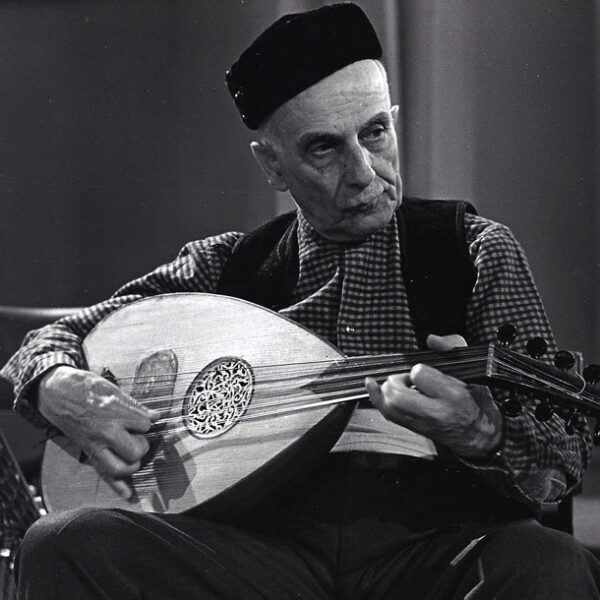
(1890-1983) A renowned kanun virtuoso, he also played the oud and the Constantinopolitan lyra. Born in Aksehir (Akşehir), Konya Province, Turkey, and died in Nea Ionia, Athens.
He came to Greece after the Asia Minor Catastrophe. During the German occupation, in 1941, he met Simon Karas; when the war ended, they started a long collaboration on radio shows and appearances with the choir of the Association for the Dissemination of National Music. He is considered to be the last great kanun virtuoso and a preserver of the original music tradition of Asia Minor Greeks.
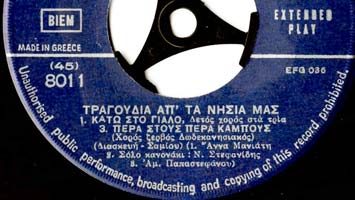
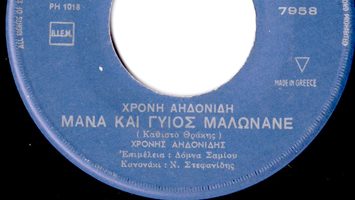
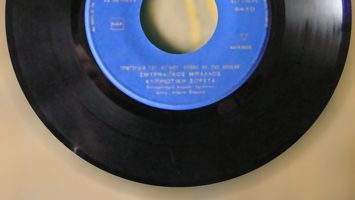
In 1986 his personal album «Νίκος Στεφανίδης – κανονάκι» (“Nikos Stefanidis – kanun”) was released, part of the series «Έλληνες δεξιοτέχνες» (“Greek Virtuosos”).
Markos Ph. Dragoumis noted about Nikos Stefanidis:
“What I particularly admired in Nikolaos Stefanidis was his calm and kind gaze, his absolute modesty (he never boasted, never showed off his knowledge), his virtuosity, his perfect mastery of maqam theory, and his tireless activity, which he divided between music and watchmaking. I met him in the environment of Simon Karas’ School and was fortunate to visit him at his home in Nea Ionia. Whenever I remember him, the saying always comes to mind: ‘Music refines the character'”.
In an interview in 2000, Domna Samiou said:
“Nikos Stefanidis and Mathios Balabanis were already, back then (i.e., in 1972), respectable people. I had been listening to them for years during Simon Karas’ rehearsals. But it wasn’t just their playing. What I must emphasize, distinguishing those times from more recent years, is that back then there wasn’t the ‘madness’ that today makes musicians rush frantically from studio to studio because they’re expected elsewhere. At that time, whenever I decided to make a record, I would invite these musicians to my home for rehearsals. We’re talking exhausting rehearsals. And yet, if something didn’t go well, they themselves would say to me: ‘Mrs. Domna, we’ll come again’. Now musicians come to the studio in a rush, we rehearse under stress, mess things up, and play because in an hour they have to be somewhere else”.
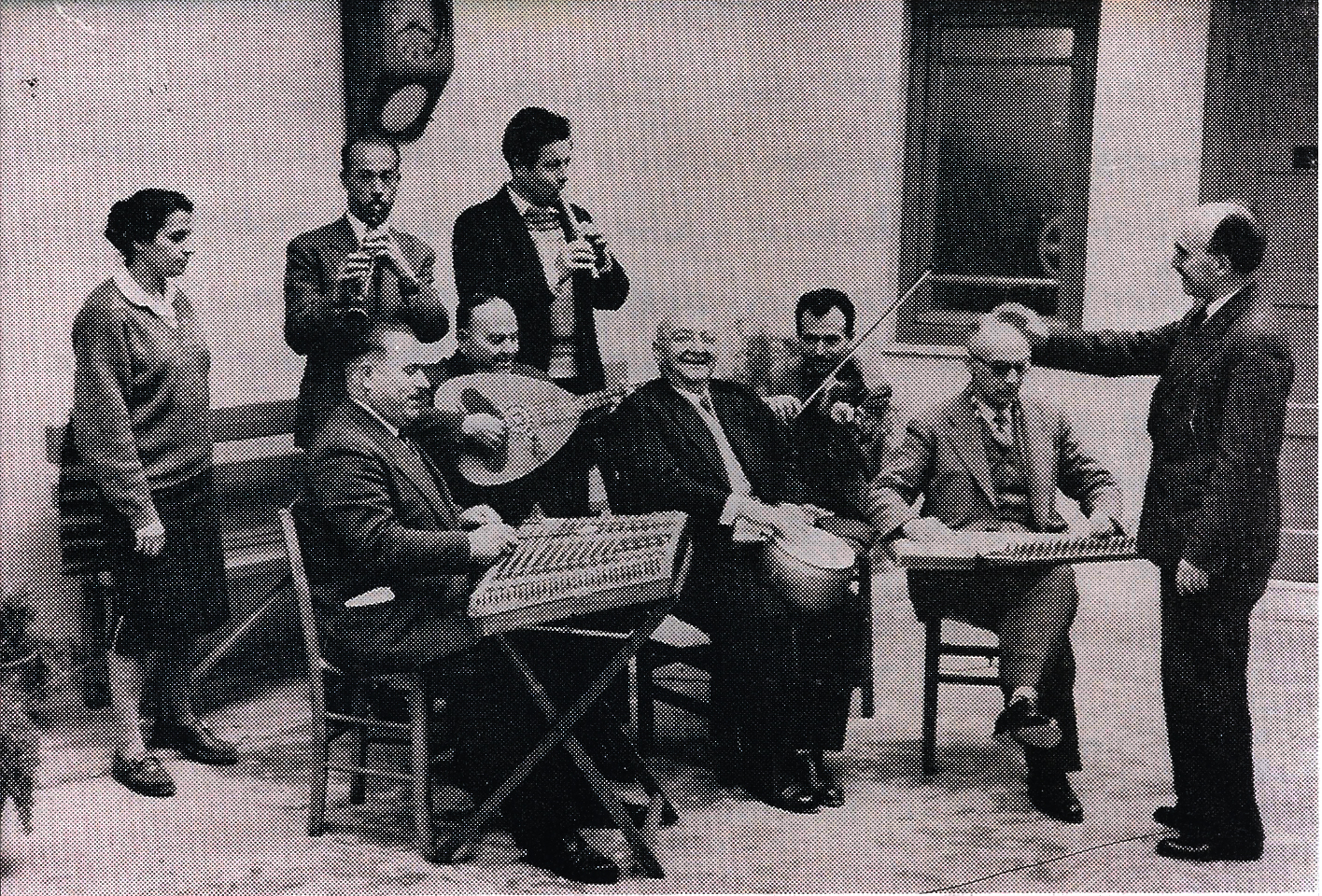
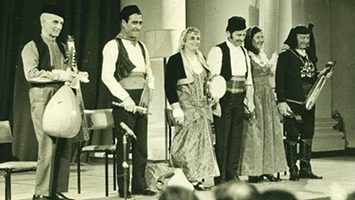
Kostas Palaiologou (santur), Stavros Adrianos (lute), Agapios Tomboulis (oud), Antonis Tsochos (violin), Nikos Stefanidis (kanun). Standing: Domna Samiou, Philippos Rountas (clarinet), Kevin Andrews (flute). Simon Karas conducts the orchestra.
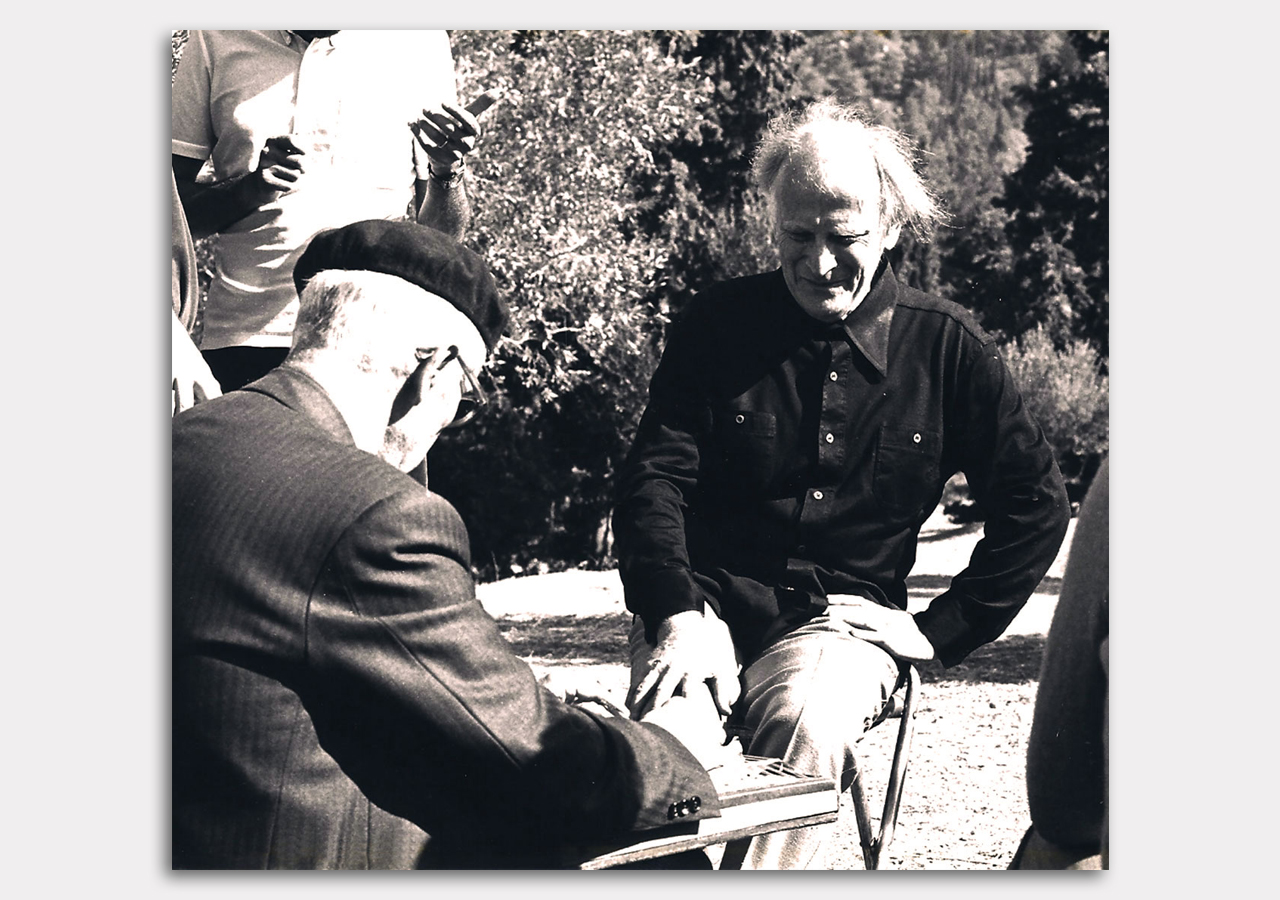
Nikos Stefanidis and Yehudi Menuhin
© Domna Samiou Archive
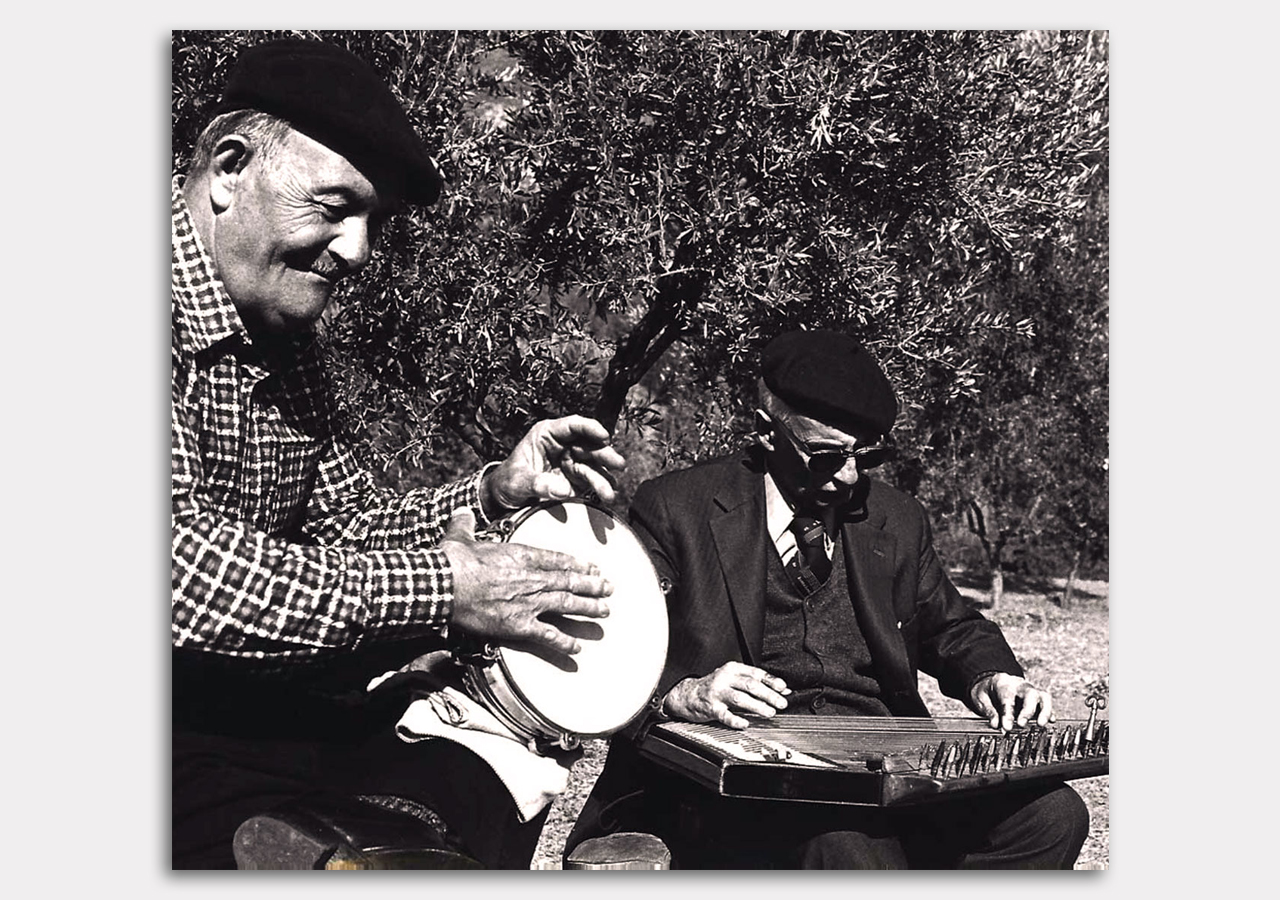
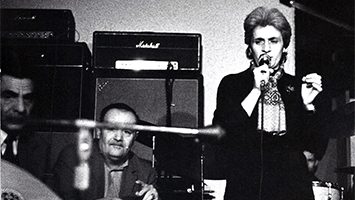
Mathios Balabanis with goblet drum and Nikos Stefanidis with kanun.
© Domna Samiou Archive
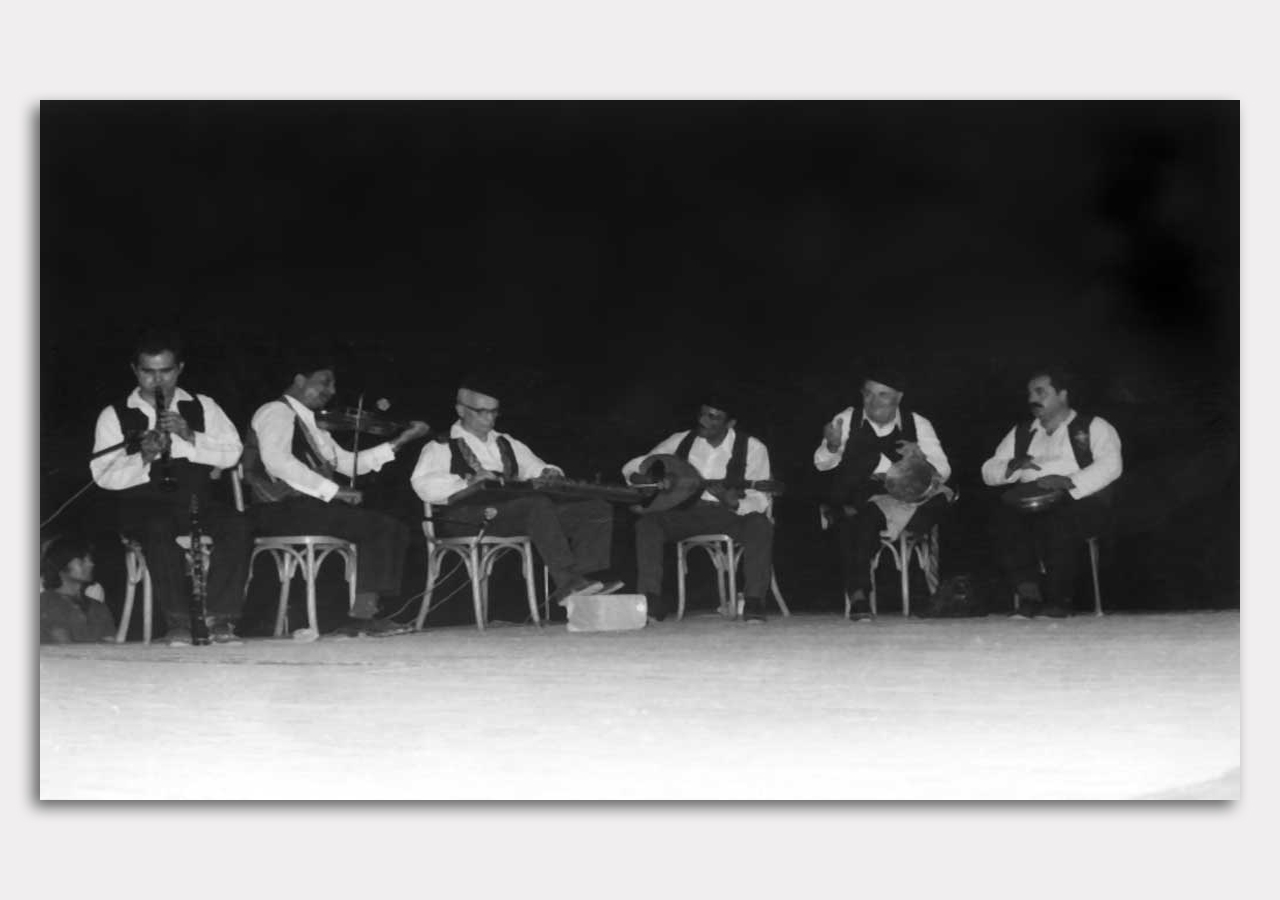
Concert for the refugees of Asia Minor, Pontos and Thrace
© Domna Samiou Archive